

If you like this image, you can download the original hi-res version here.
Andromeda

Abandoned America
50 states, 50 photos. (h/t Dave S.)

Prairie Towns
Vintage photos of Canadian prairie towns – and lots of them.
Sasktober


Lest We Forget
I was in Ottawa a few days ago and extensively photographed the National War Memorial and Parliament Buildings. So yesterday’s terrorist violence had an extra personal meaning. Little did I realize at the time that the soldiers guarding our sacred monument were at threat from anyone. We now have an extra special reason to be thankful to those who serve in our military.
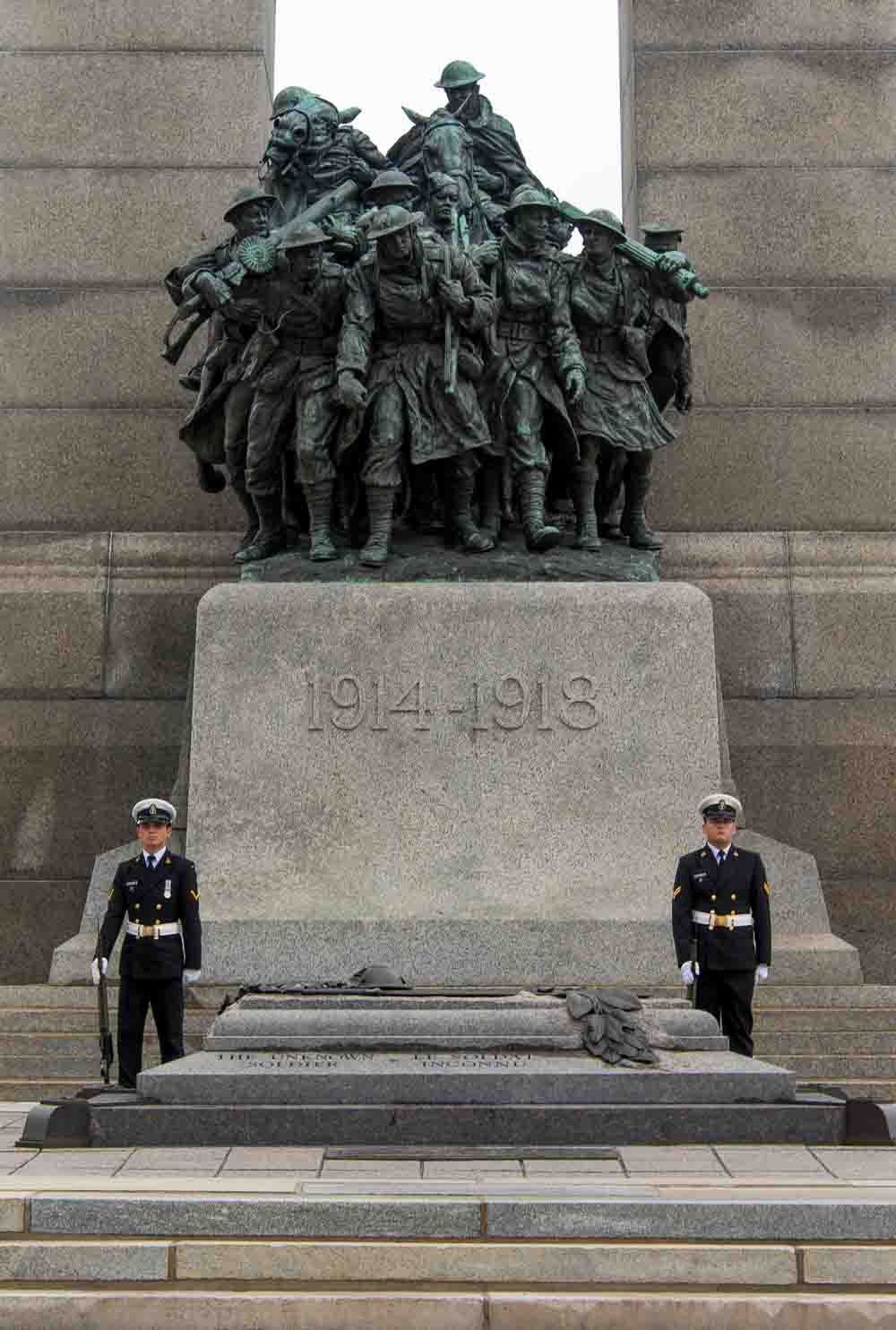

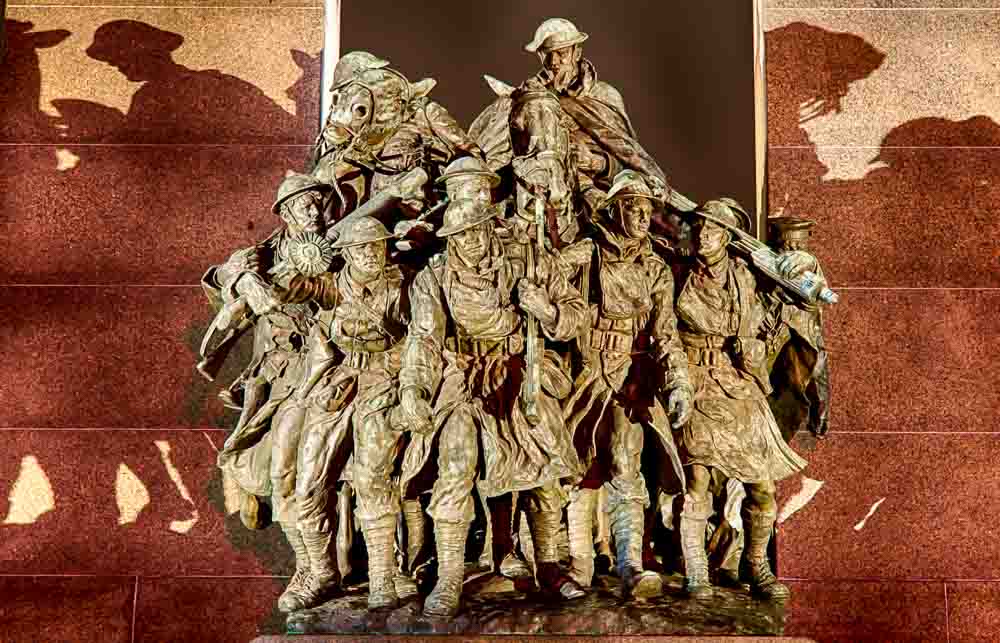
Photoblogging in Ottawa

Happy Thanksgiving
Wishing all SDA readers & commenters a Wonderful Canadian Thanksgiving.

Sunset at Candle Lake, Saskatchewan two days ago
Vancouver Timelapse
Having created a few short timelapse segments myself, I know how incredibly time consuming they can be. Watch in full-screen mode to see how impressive this one is:
Photoblogging in Candle Lake, SK
Far too many people in Canada’s cities claim that the Prairies are flat & boring. Those who live in Alberta, Saskatchewan, and Manitoba know otherwise.

Best Caption?
Lizzie May at Pride Day in Vancouver this afternoon:


Update: Just uploaded two more photos to comment on.
Photoblogging from Vancouver
Two of Canada’s smaller citizens hard at work this afternoon, near Granville Island:

Photoblogging: West Oakland, California

The “second-place winner in the Arizona Highways Magazine”

Things To Do In North Dakota
A photo essay. (h/t Adrian)
Lunar Orbiter Image Recovery Project
The Hackers Who Recovered NASA’s Lost Lunar Photos
Between 1966 and ’67, five Lunar Orbiters snapped pictures onto 70mm film from about 30 miles above the moon. The satellites were sent mainly to scout potential landing sites for manned moon missions. Each satellite would point its dual lens Kodak camera at a target, snap a picture, then develop the photograph. High- and low-resolution photos were then scanned into strips called framelets using something akin to an old fax machine reader.
The images were beamed in modulated signals to one of three receiving stations in Australia, Spain, or California, where the pictures-and collateral chatter from the NASA operators-were recorded straight to tape. After finishing their missions, the satellites were unceremoniously dashed against the moon rocks, clearing the way for Apollo. The brilliant and ballsy engineering was typical of NASA during its golden age, a time when it was also more closely linked to other government agencies with an interest in taking pictures from space.
“These guys were operating right at the edge,” Cowing says with a reverence for these NASA engineers that’s shared by his team. “There’s a certain spy program heritage to all this, but these guys went above that, because those spy satellites would send their images back. These didn’t. They couldn’t. They were in lunar orbit.”
The photos were stored with remarkably high fidelity on the tapes, but at the time had to be copied from projection screens onto paper, sometimes at sizes so large that warehouses and even old churches were rented out to hang them up. The results were pretty grainy, but clear enough to identify landing sites and potential hazards. After the low-fi printing, the tapes were shoved into boxes and forgotten.
They changed hands several times over the years, almost getting tossed out before landing in storage in Moorpark, California. Several abortive attempts were made to recover data from the tapes, which were well kept, but it wasn’t until 2005 that NASA engineer Keith Cowing and space entrepreneur Dennis Wingo were able to bring the materials and the technical know how together.
Honey, I Finished The Internet
Wonderment: Snails look on as the waterdrops hit the surface of a pond
Photoblogging

Vancouver is plagued with too much rain throughout at least 8 months of the year but when the weather’s nice, it does have its charms. This was what it looked like last night, on the last evening of March. It was captured from the edge of the former 2010 Olympics Athletes’ Village. What you’re seeing is an HDR image that was rendered from 9 original source photos.
Photoblogging from Chicago
A trio of fans from Regina in town for the big game at Soldier Field:

More here.
Blog Notes
If you get the chance to cut across from I-15 south of Salt Lake to travel Hwy-89 through Page, Utah to Flagstaff, AZ – take it. The quick pics from my camera phone can’t do these justice.


I-15 between Great Falls and Helena in a snowstorm?

Not so much.