Nov.6 Update – At least some of the students involved were at the campaign office of Terry Alm today to offer their apologies. They will be helping the SaskParty take down signs after the election.
 (click to enlarge) |
Description: A political party for the youth of Saskatchewan upset that they can’t run for office or vote in the upcoming provincial election …and for any kids that just enjoy kicking politcal party signs. Also we find it unfair that the Sask Party has 3 times the funding of any other party, so they get all the big signs. We seek to even this out. Come out, show your support, invite your friends, and kick a few signs |
Page info shows:
Andrew Rowan (Aden Bowman Collegiate) Assistant Captain
Taylor Andreas (Aden Bowman Collegiate) Assistant Captain
Brennan Rutherford (Walter Murray Collegiate) Co-Captain of Destruction
Mike Pinder (Aden Bowman Collegiate) Driver
David Fodey (Aden Bowman Collegiate) Co-Captain of Destruction
Will Hamilton (Aden Bowman Collegiate) (creator)
You’ll need a facebook account to access the page. Currently, the group has 59 “members” – most appear to be high school students at Aden Bowman and Walter Murray Collegiate.
If you have kids at these Saskatoon schools, you may recognize some names.
Update – “Hey dude, I heard your name on the radio“
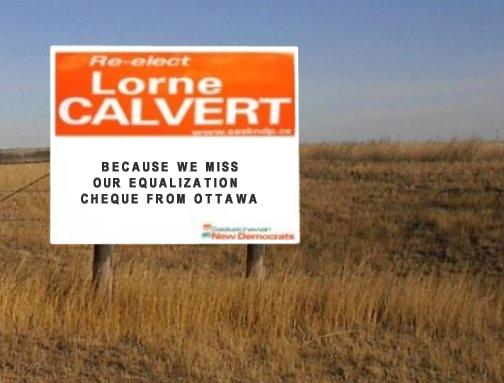
The owner of the property in the photo above just called John Gormley Live (linked above). He’s a little ticked off. In the comments – “It’s as if they reported themselves to Crimestoppers.”
In a case of the apple not falling far from…. the apple – ” Do a search on Facebook for [U of Sask Sheaf Editor-In-Chief] Chuck Hamilton. View his friends, and you will see Will Hamilton is listed as his brother. I bet their parents are proud.” (Or it was until Will’s was pulled.)
More at No-Libs.
Update 2 – Now the Canadian Press has picked up the story.
Update 3 – There are NDP family ties to the Fodey kid as well.
(h/t Ryan, in the comments)