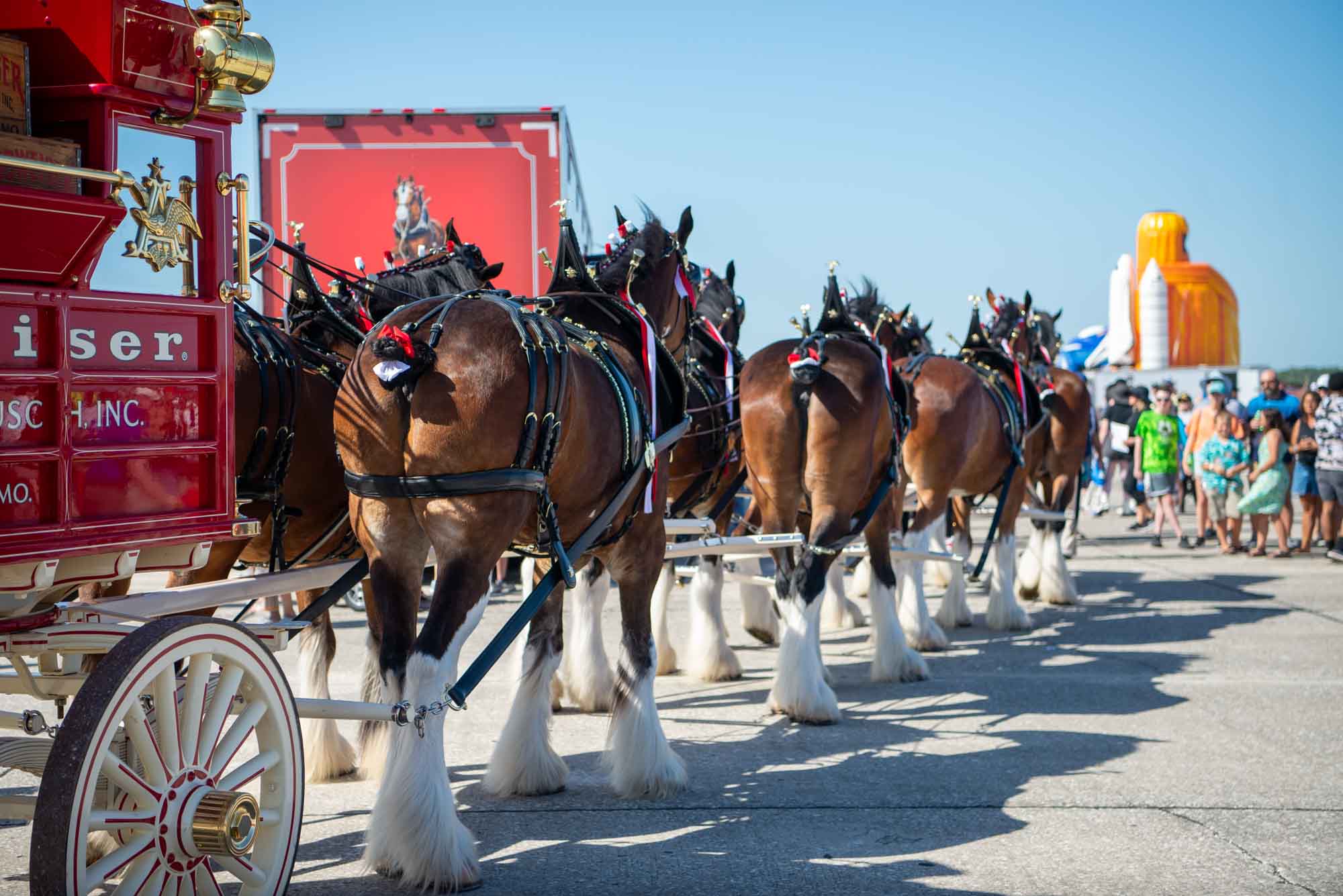
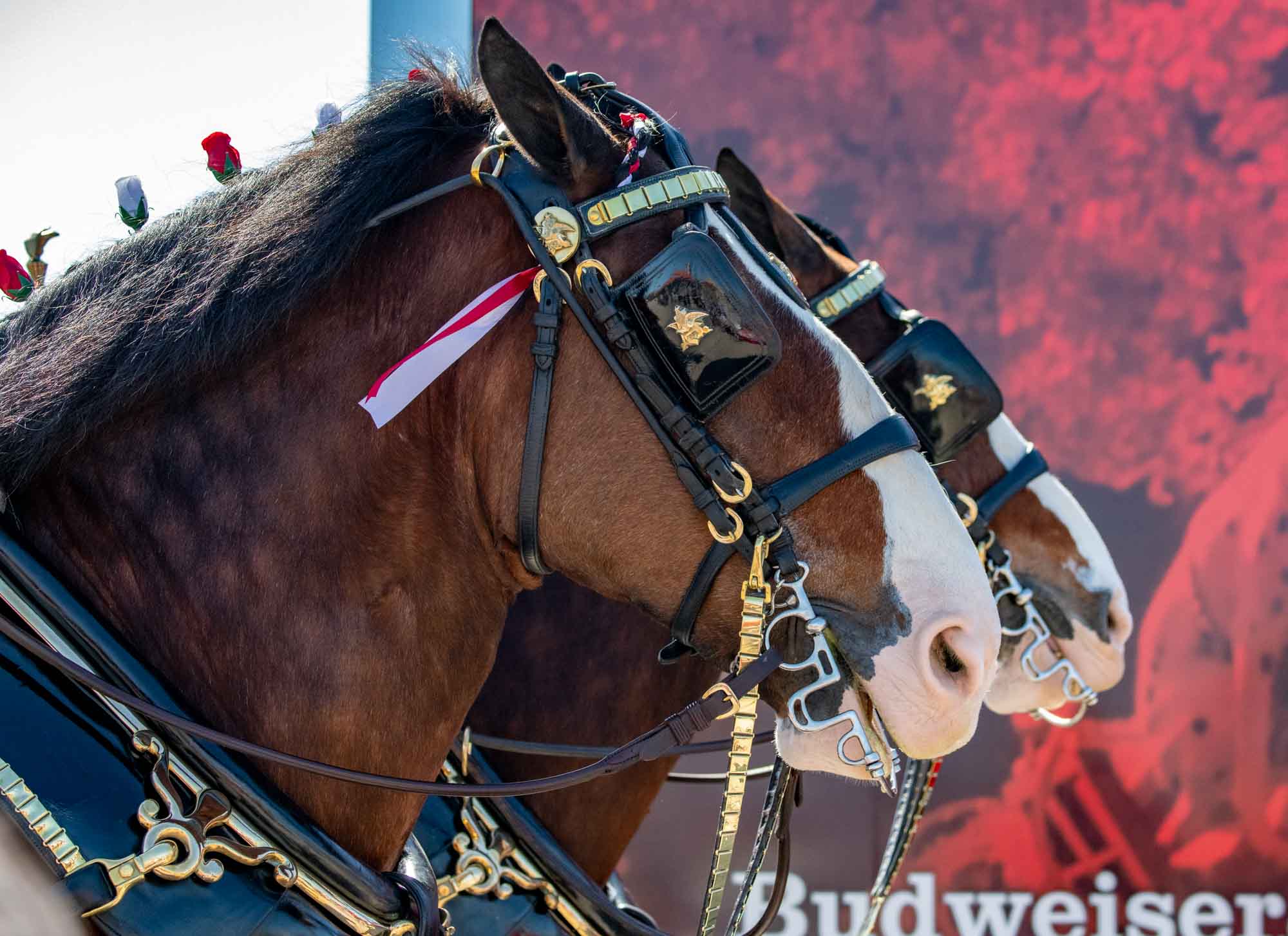
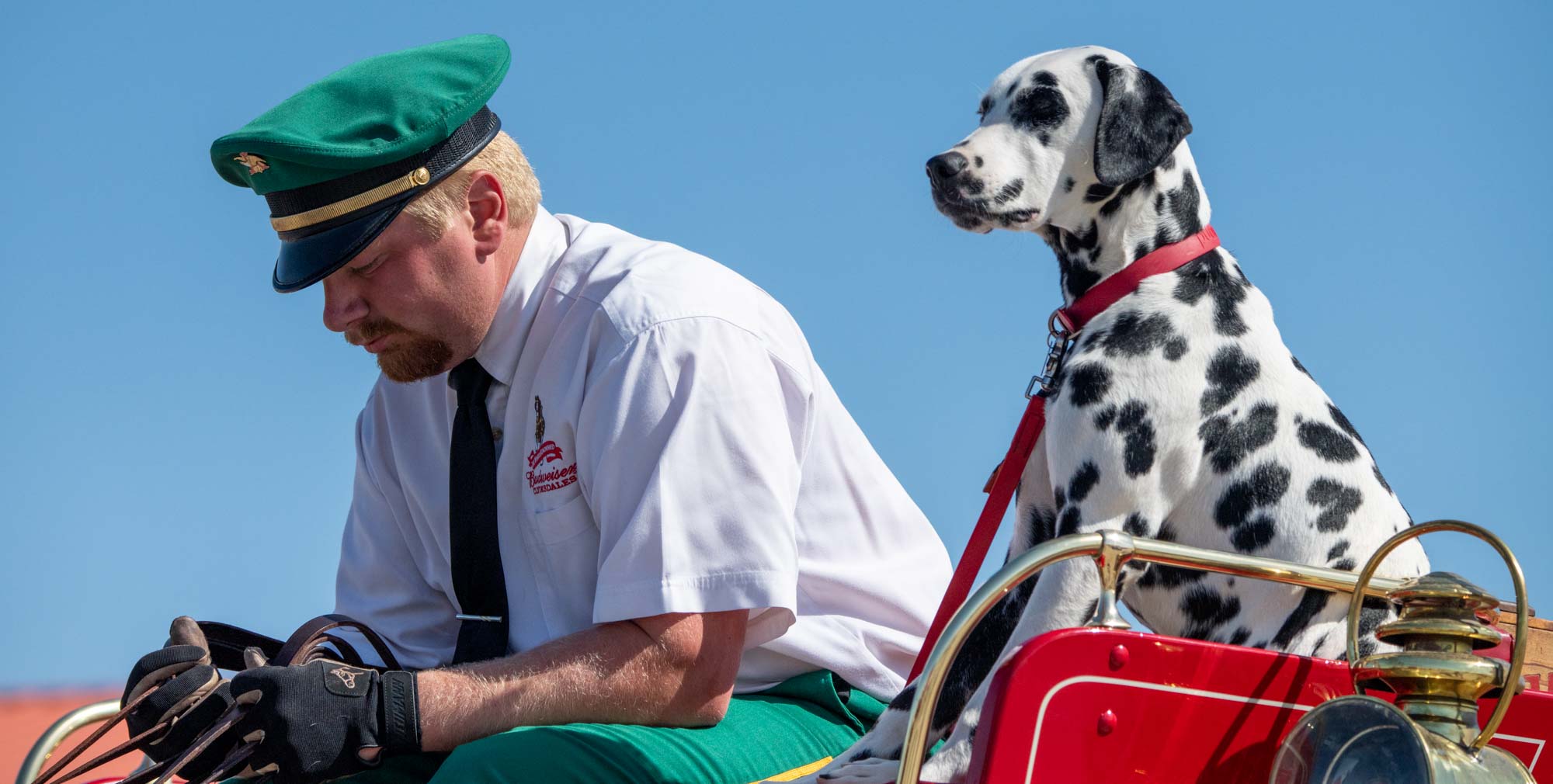
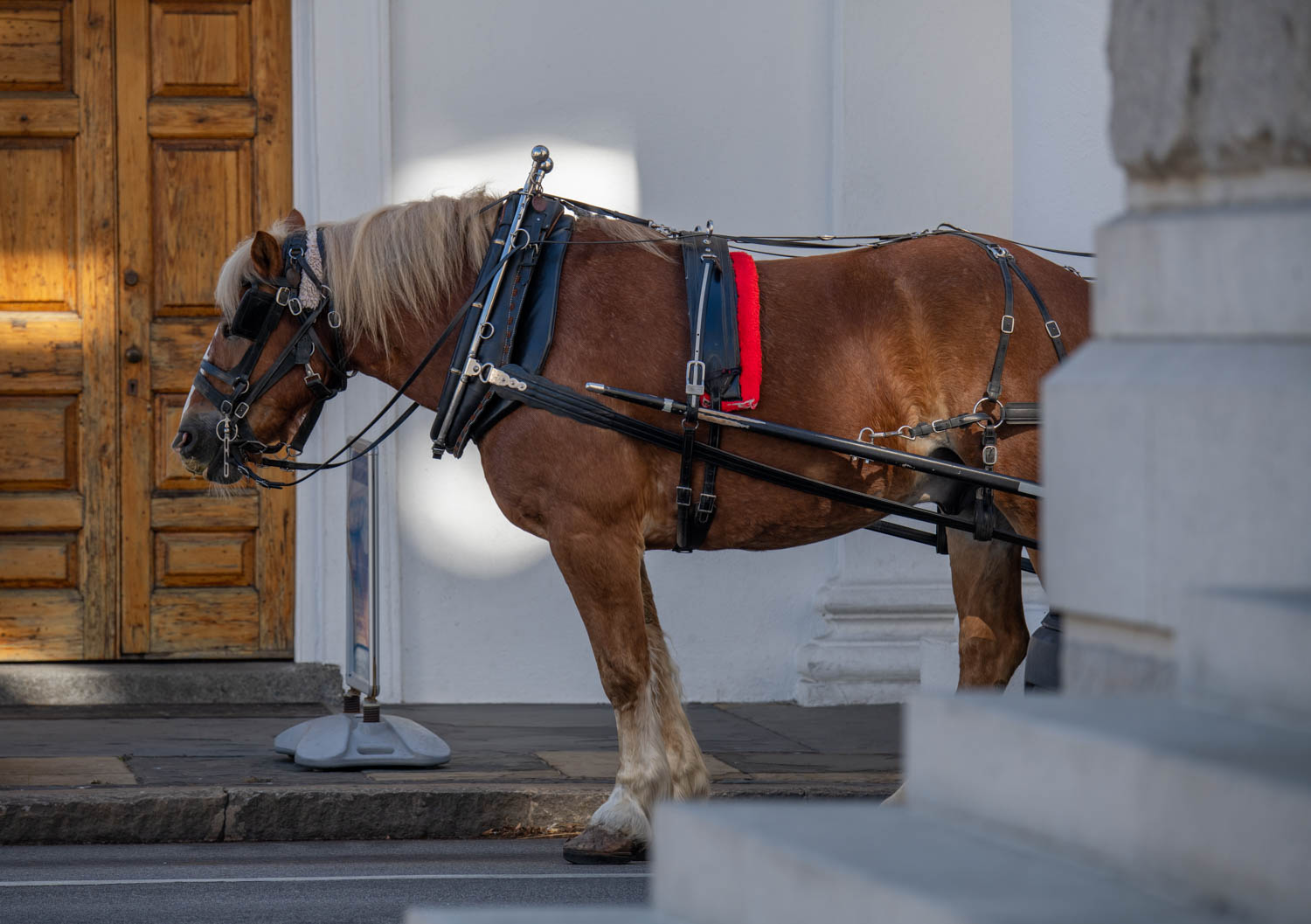
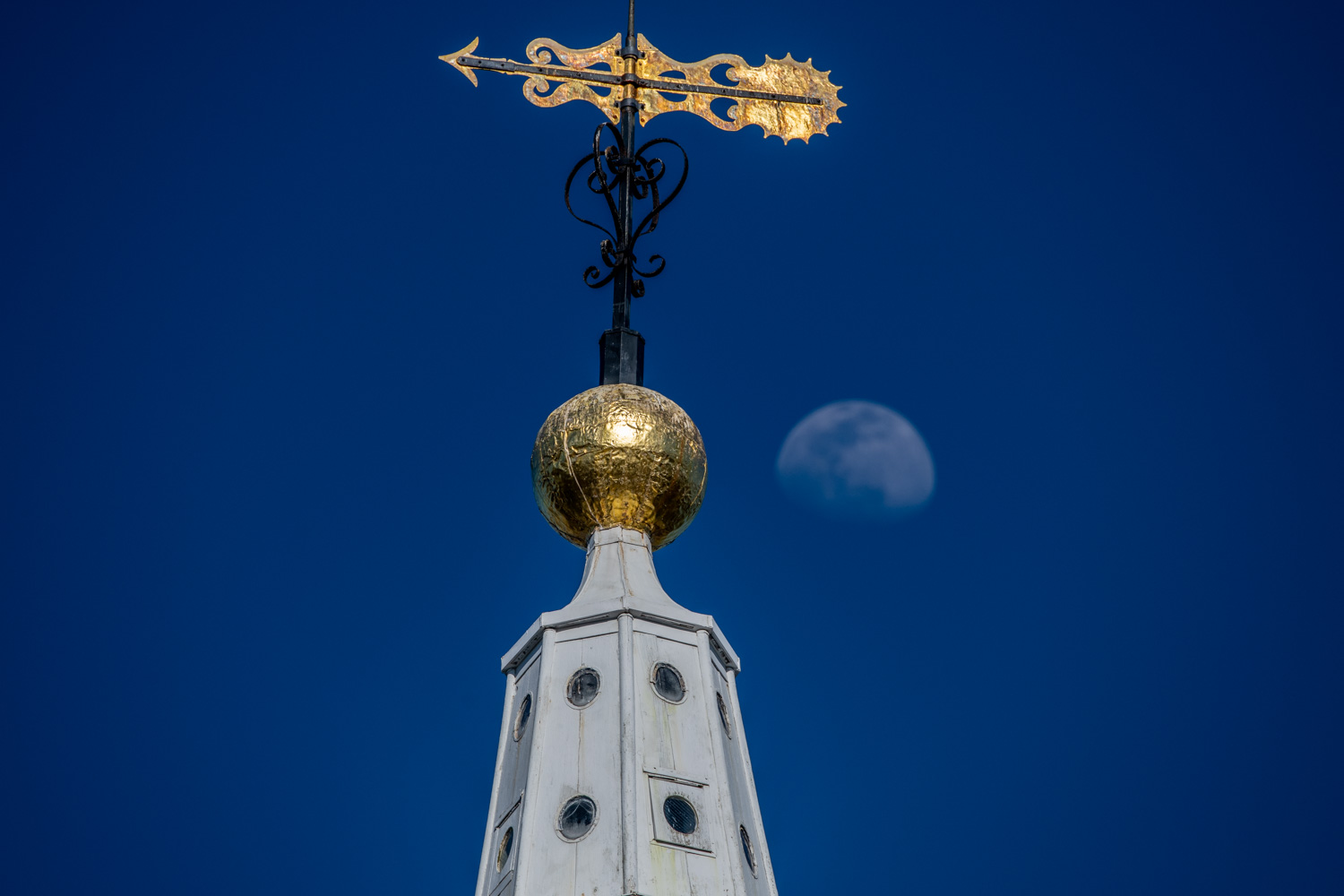
This month I’m staying in a small town near the coast of North Carolina. Here are some photos from my phone this morning:


This month I’m staying in a small town near the coast of North Carolina. Here are some photos from my phone this morning:
A week ago I was blessed to have the opportunity to photograph the Sapulpa, Oklahoma Christmas Chute. Here are my photos.
…has taken not only to refusing to communicate with news media it doesn’t like, but even to suggesting who is and who is not a legitimate news organization.
At first, we thought it was just us. Certainly, at the Western Standard, we expect the NDP to be less than chummy. There’s a lot we don’t agree about. However, the NDP has also turned on other non-government funded media, and even the long-serving and capable David Staples at the Edmonton Journal. Awkward questions are not welcome.
Related: Week One – still a tie?
I’m working out of North Carolina this month. After working 13 hours on Friday and 6 hours on Saturday, I needed a break, so I drove up to central Virginia and captured a whole lot of photos. You can view them all here. Incidentally, the National D-Day Memorial, which you’ll find inside the Bedford folder, is a marvelous place which I had not heard of before. Well worth a visit!


Prior to the Fall of 2022, I’d been to Arizona plenty of times before but never to Sedona. That all changed in late September. Then I returned in October for a second time. You can view the full set of photos I’ve taken & processed here. Shown below are a few samples:


The best photographers taking the highest quality pictures in full sunlight. In 1968.
I have the great privilege of spending this first month of 2023 in South Carolina. Here’s an assortment of animal photos I’ve captured in the greater Charleston region.


I captured these photos at Chaney’s Dairy Barn, near Bowling Green last July. Who says cows don’t have personalities?!?


Here are two scenes from Oro Valley, Arizona, just north of Tucson:


Here are a few photos I captured late Saturday afternoon in beautiful Sedona, Arizona.


I spotted this in Park City, Utah the other day. There are not a lot of mask & glove wearing folks in these parts but I’ve seen a few. They’re entitled to be paranoid but is their tribe comfortable with them also being a bunch of litterbugs?

They put on quite a show over town last night.


Photo credit, my friend Karen from Exploring Canada. There’s a video short at this link. Be sure to like and subscribe!
Best joke to go with this sign?

Seen in Chicago this afternoon:

Seen in western North Carolina earlier this month. Thought it might be a good candidate for a jigsaw puzzle.


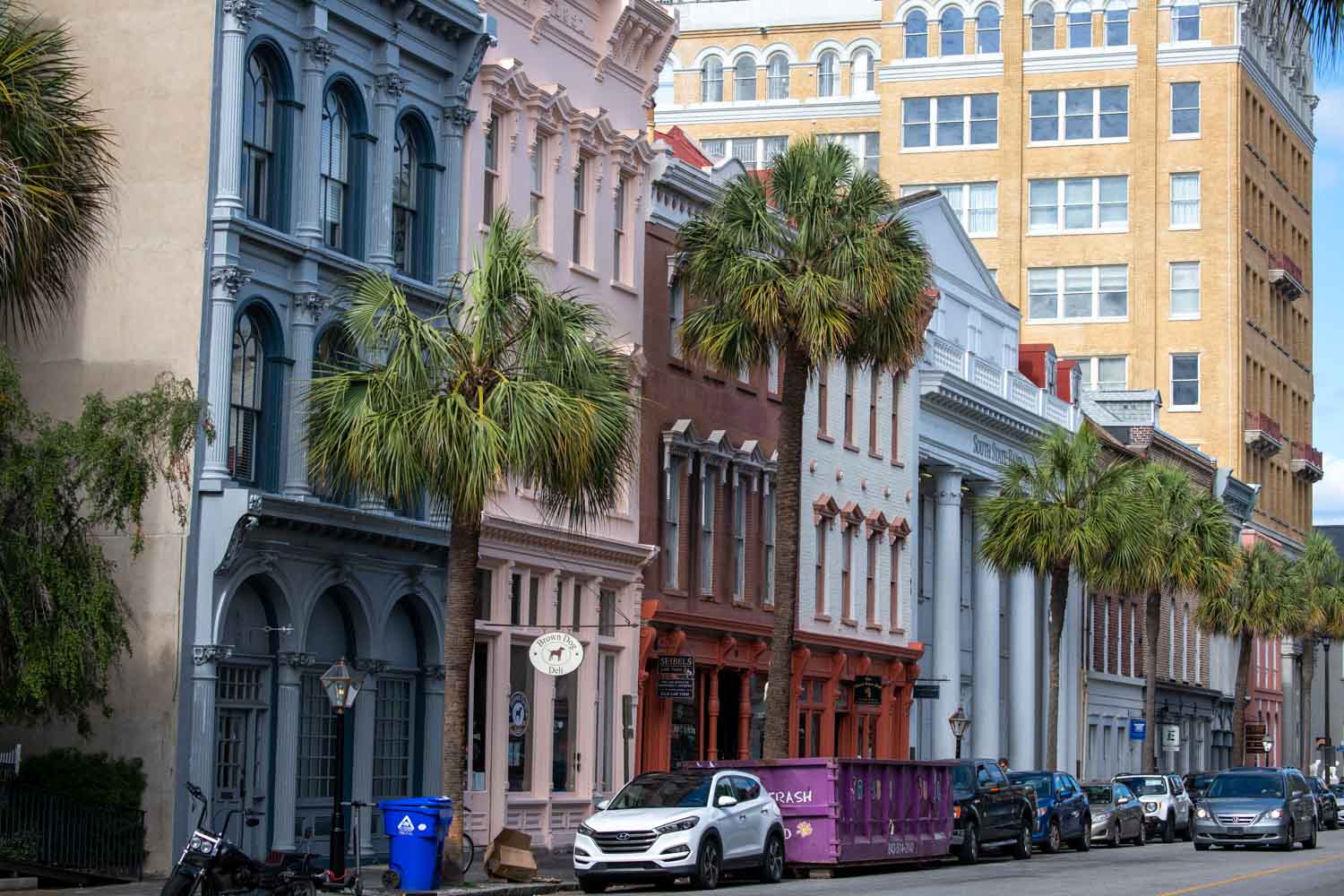
Spent the afternoon with James Topp and his crew. The new iPhone takes pretty good pictures.


(Click on images for full screen)
I was very blessed to attend the kick-off to Dave Rubin‘s book launch for Don’t Burn This Country. Besides the headliners, Rubin and Donald Trump Jr., also in attendance were: Kimberly Guilfoyle, David Webb, Chris Pavlovski, Peter Navarro, David Janet, and a young woman who was a January 6th political parolee. It was an AMAZING evening!

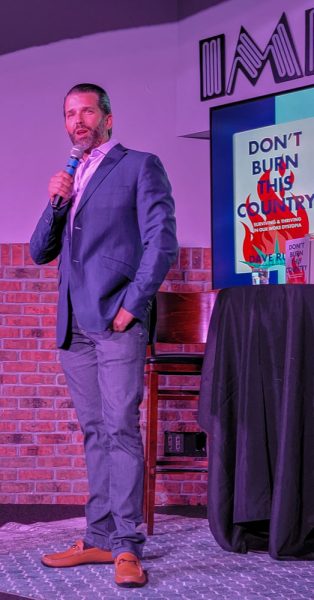
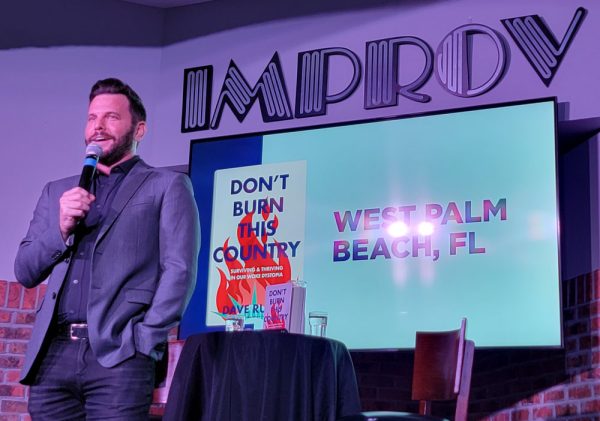
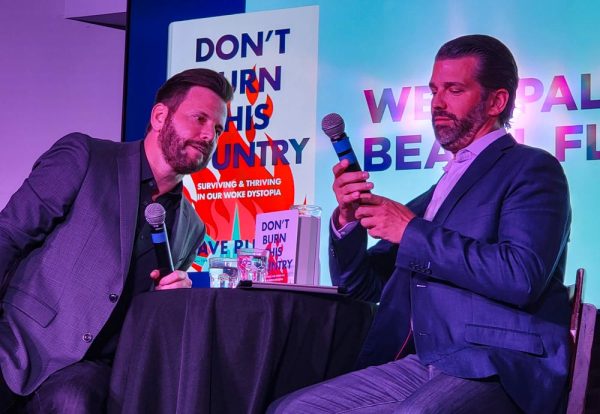
The full set of photos can be seen here.
Update: Related