
Energy analyst Tammy Nemeth and a co-writer take on Catherine McKenna’s COP27 ideas regarding net zero. McKenna wants to shut it all down.
From ice we came, to ice we shall return
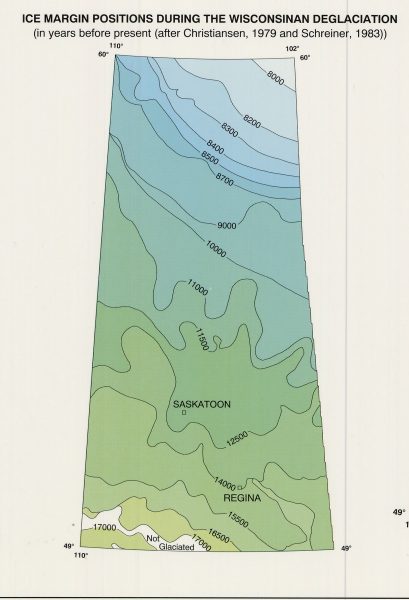
Ask a farmer about rocks. He’ll tell you all about them. Then ask him where he came from.
The answer is the retreating glacial ice sheet that once covered nearly all of Saskatchewan. The ice melted, the rocks in it got dumped in glacial till (the top layer of our land in nearly all of Saskatchewan). And that’s why your combine just chewed a rock. The climate changed, the ice left rocks, and your combine ate it.
Letter to the editor: 25,000 years from now, most of Canada will likely be covered by ice sheets, again. As it was 25,000 years ago
What the minister has to say about the Sask First Act, and not freezing in the dark

Here’s a deep dive interview with the minister behind the Saskatchewan First Act.
“So let’s take let’s take the power thing first of all,” Eyre said, noting the proposed Clean Electricity Standard, if adopted in its current form, would mean no fossil fueled power generation in this province by 2035.
According to SaskPower’s Where Your Power Comes From website, on any given day, coal and natural gas combined provide 65 to 84 per cent of the power in Saskatchewan. On Nov. 6, it was 77 per cent.
Eyre said, “That’s a federal policy which we hope will never see the light of day, but which is moving along. We will freeze in the dark. And we know that. Saskatoon (is) powered by the Queen Elizabeth, a natural gas-powered power station. The entire City of Saskatoon (would be) in huge trouble.”
Saskatchewan First Act is about keeping the lights on and letting farmers keep using fertilizer
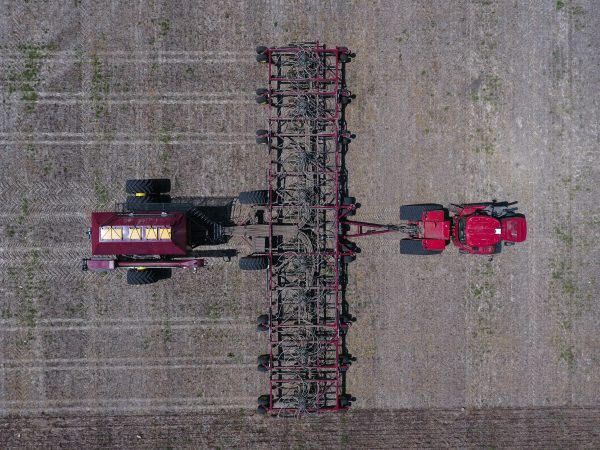
The other media simply didn’t get it, or didn’t read the full text of the Saskatchewan First Act, introduced on Nov. 1. It’s all about Saskatchewan imposing its own veto on federal initiatives that, if carried out to their fullest extent, by 2035 will literally mean cutting off up to 84 per cent of our power production on any given day. Those rules will also mean less fertilizer usage meaning less food.
This is Saskatchewan swinging for the fences, constitutionally. Here’s Pipeline Online’s take on the Saskatchewan First Act.
Thou shalt not use coal for power generation post-2030, the federal government hath said. And it’s moving to do the same with natural gas by 2035. It also wants to limit farmers’ fertilizer usage, all in the name of climate change policies.
On Nov. 1, the Province of Saskatchewan said, “To hell with that,” but in a more sophisticated, legal manner.
Saskatchewan threw down the gauntlet with the federal government on Nov. 1, introducing Bill No. 88, The Saskatchewan First Act. If implemented in its current form, the Act basically says Saskatchewan will make its own decisions and rules on environmental standards, particularly those applying to greenhouse gas emissions and power generation.
And here is Zinchuk’s column interpreting it. His daughter wonders if we’ll be reduced to kerosene lamps.
Throne speech includes of talk about power generation, and using farming to offset carbon burden for other industries

If Saskatchewan can’t get out of a carbon tax, it looks like it’s going to try to reduce that overall carbon tax burden. The throne speech indicates that carbon offset credits from zero till farming will be available to lower other industries’ carbon tax burden.
Moe’s Drawing the Line: releases white paper with profound impact on energy.
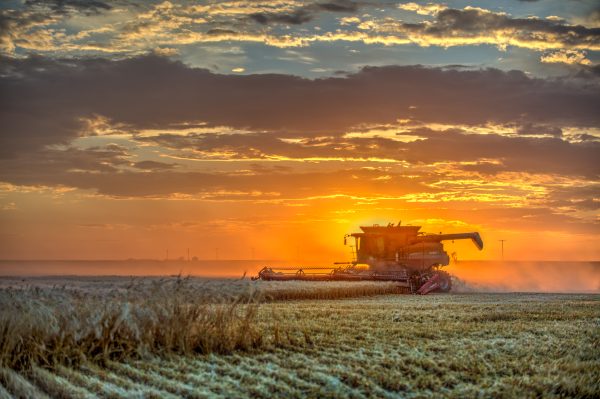
It’s 6 a.m. and after pulling an all-nighter I am finally finishing writing these three pieces. Huge impact on energy policy in Saskatchewan, affecting oil, coal, nukes, farming, fertilizer, even manure. Moe even mentions possibility of carbon capture on Shand. But feds want to kill off all fossil fuel power generation by 2035. On Oct. 9, 82% of Saskatchewan’s power came from coal or natural gas.
Part 1
Part 2
Part 3:
When it comes to shutting down coal in Saskatchewan, they need to just stand up and say, ‘No,’ says RM of Estevan Reeve Jason LeBlanc
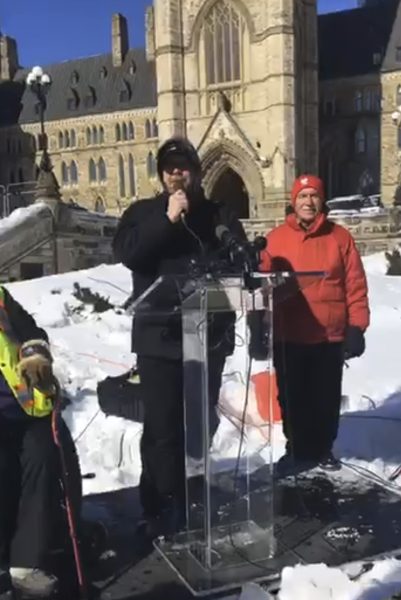
In PipelineOnline.ca’s continuing series on the apparent end of additional carbon capture implementation on this province’s coal-fired power plants, leading to the eventual death of the coal industry, today’s story is reaction from the reeve of the RM of Estevan, Jason LeBlanc.
Back in 2019, before he became reeve of the Rural Municipality of Estevan No. 5, Jason LeBlanc was standing in deep snow on Parliament Hill, protesting the carbon tax imposed by the Liberal federal government. And now the largest industry in his RM will likely be largely shut down by the end of this decade, due to that government’s policies against coal-fired power.
And
“The government is knocking on our own people,” he said, speaking of Saskatchewan. “The government is who’s buying into this? And they need to just stand up and say, ‘No.’
“The pendulum always swings. Our ancestors looked for any way to heat the house and to do stuff. And they figured out a way, and it was coal.”
“Other parts of the world are starting to go back. They know it’s not sustainable. It can’t be done. And we have it here. It’s already producing,” he said.
Google search manipulations show power and skill of climate activists at silencing dialogue and creating division
Besides the relentless data gathering, Google has become insidious in the way it is gamed by very clever people. Read on…
Climate change – does anyone really care?
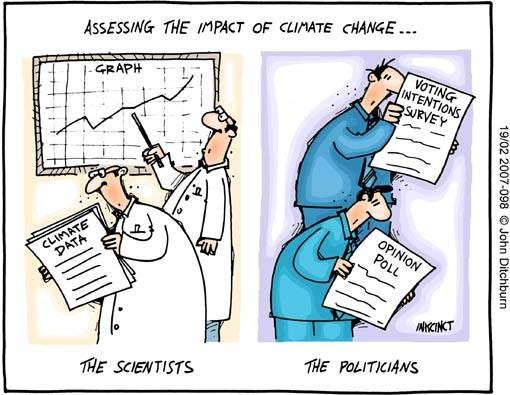 A review of recent public opinion polls reveals that the public, when asked only about climate change, will agree overall that it’s a serious problem that demands action. When asked to rank climate change against other concerns, however, it comes well down the list. The implication is that the public really isn’t worried about climate change. Certainly the high level of public support that would be needed to implement an aggressive and highly disruptive transition to low-carbon energy, such as that called for by the Paris Agreement, does not exist. The climate change lobby is in fact losing the public support battle.
Are people really concerned about climate change? What the polls tell us
Apocalypse Now
The Terrifying Risk of Climate Change in Scotland
Catastrophic climate change
Catastrophic climate change – A reminder of what the IPCC actually said
Who leads the World in the Crusade against climate change?
Most countries come last equal.
We don’t need no stinking giant fans
3,295,492 stinking giant fans won’t save us