Hot air ain’t worth what it used to be;
In July, the right to spew out one tonne of CO2 from a chimney would have cost a power generator E29.33, but yesterday it could be bought for only E18.25 ($34.14).
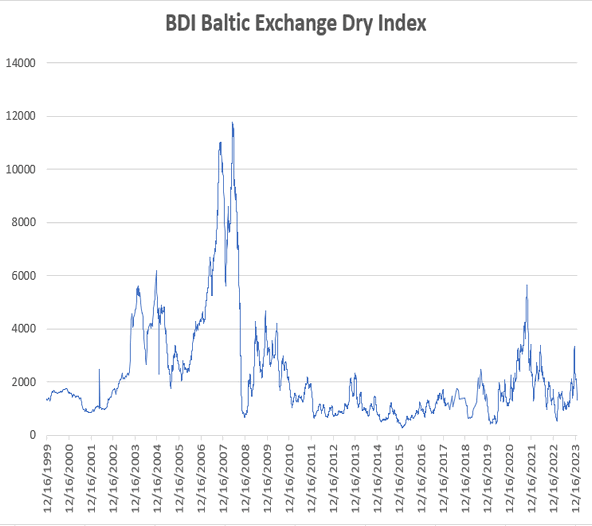
The sudden collapse of the carbon price mirrors the rout in the wider commodity markets. Carbon peaked in July, its price summit occurring within 10 days of the peak in the crude oil price.
Since then, everything from steel to potash has been tumbling and you might think it unsurprising that carbon has tracked the general retreat. Hedge funds and other financial investors dabbled in EUAs as they fiddled with palm oil and soya.
The rush to convert hedge fund investments into cash and US Treasury bills has resulted in rapid closure of positions on various carbon exchanges.There is a wider question about the ETS that must be addressed, and that is whether it is a sensible mechanism to regulate carbon.
[…]
It’s a measure of the speed at which politics moves in response to market prices that the green agenda has almost vanished from media political chatter.
Carbon’s falling price spells companies going bust, the loss of jobs and the shredding of political reputations. Over the next year, no politician with re-election hopes will back a policy that would triple the price of carbon for industry and raise consumers’ energy costs.
Any bets on how long before Gore and Strong (pdf) join the federal bailout bread line?