
I’m reading lots of media and lefties getting in a bunch about whether the shooter was or wasn’t a terrorist. Whether he was ‘just’ mentally unstable, a dope-head and a criminal.
He was a terrorist. He attacked two symbols of the country.
The first a symbol of our military and the bonds between soldiers, sailors and airmen through all generations. A place where those who come after can give thanks and have an understanding of the sacrifices of those who went before.
The second, outside of the flag, the strongest symbol of our country, our democracy. Where, as Mr Mulcair stated, yoga must go on, because it is us. It is ours.
His goals, deformed though they were, was not ‘just’ murder, it was to deface those symbols. The result is that he failed.
But yes, he meant to terrorize.
Why Michael Zehaf-Bibeau Could Not Have Killed Many People
Not to be cynical but he had a Winchester 30-30, seven-round capacity, and slow re-load. See this twitter exchange. How many people could he have killed in any event before being killed himself?
As only to be expected none of our ace journos have noticed (nor would even know about) this simple fact. One wonders why the RCMP does not mention it.
Stunning Video
At the press conference today the RCMP presented this. Video via Global.
Only 4?
Features bonus angry hippie commenters! 4 Ways Hippies Are (Still) Trying to Kill Us.
Lest We Forget
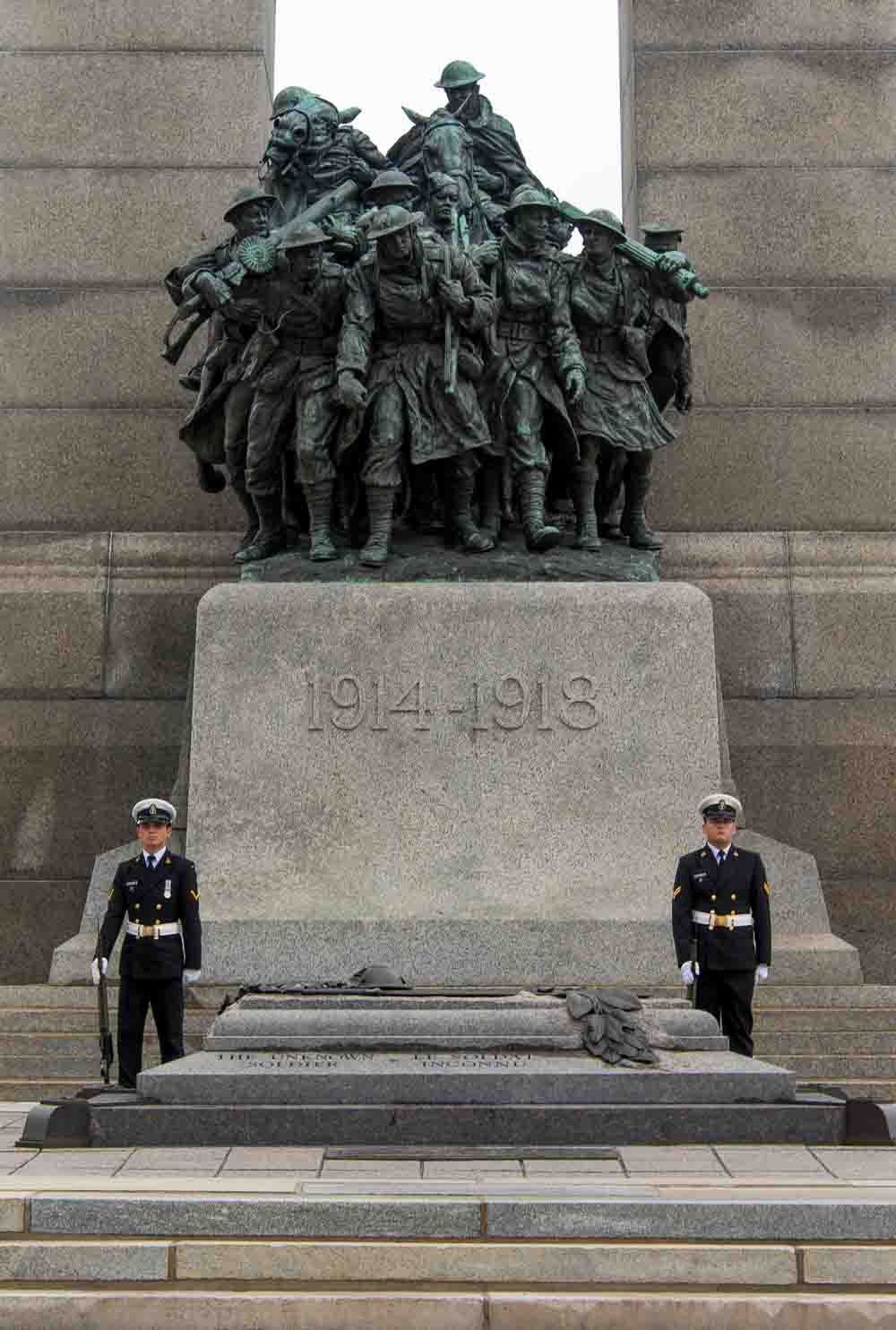
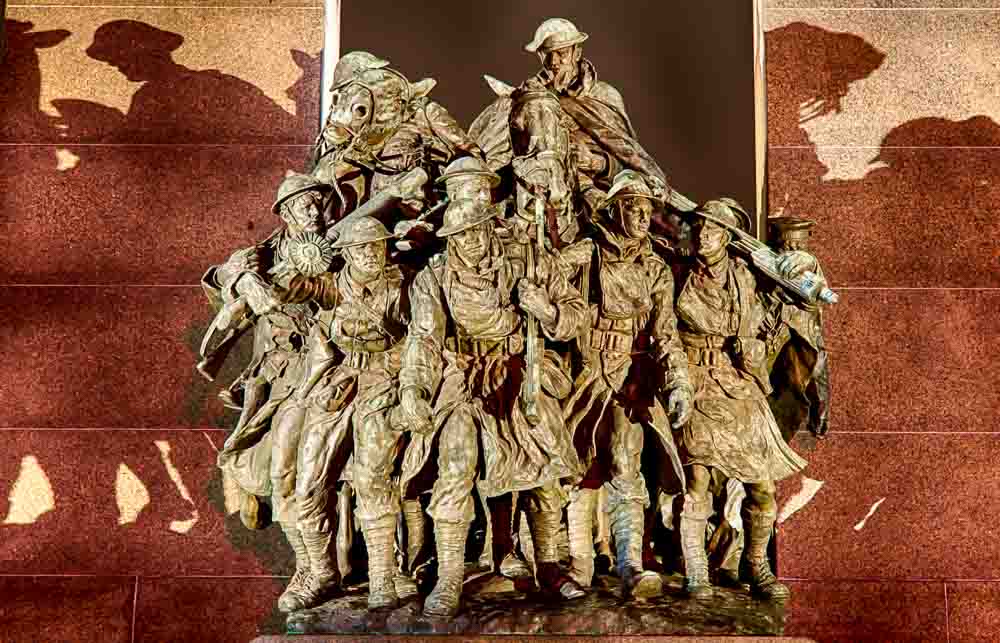
I was in Ottawa a few days ago and extensively photographed the National War Memorial and Parliament Buildings. So yesterday’s terrorist violence had an extra personal meaning. Little did I realize at the time that the soldiers guarding our sacred monument were at threat from anyone. We now have an extra special reason to be thankful to those who serve in our military.

Your Moral And Intellectual Superiors
Ok #CNNBreakingNews stop calling it Royal Canadian MOUNTAIN Police. #OttawaShooting #Heroes #KevinVickers
— Shannon Tweed (@shannonleetweed) October 22, 2014
Forward!

Faster, Please
Let’s hope Treason is among the charges.
Sources suggest the 90 Canadian suspects who joined, or tried to join, ISIS are being rounded up tonight.
— John Ivison (@IvisonJ) October 23, 2014
On the other hand…
More Pavilions At Folkfest
Sweet Jesus.
CTV News has confirmed mother of suspected shooter is Susan Bibeau, Deputy Commissioner of Immigration and Refugee Canada.
— Norma Reid (@CTVNorma) October 23, 2014
…and was the son of Bulgasem Zehaf, a Quebec businessman who appears to have fought in 2011 in Libya,
Reader Tips
Sincere condolences to the family of Corporal Nathan Cirillo. May he rest in God’s hands.
Open Thread – Ottawa
The last was getting a bit unwieldy. We’ll pick up here where the other left off. This will be top of SDA for a while. New (previously scheduled) posts will happen through the day below. As before, updates below the fold.
On Sunday, we asked a very handsome guard for a picture with my friend visiting from Cali – RIP Nathan Cirillo pic.twitter.com/q80EZ6nwmo
— Megan Underwood (@megunder) October 22, 2014
#WendyDavisFail
@WendyDavisTexas as the person who took that photo, I assure you it's of College Republicans in VA. Your desperation is showing #txgov @CRFV
— Kate Gaziano (@KateGaziano) October 22, 2014
Broad Strata Update
Daily Mail has more on Muslim convert Michael Zehaf-Bibeau “had his passport seized after being designated a ‘high-risk traveler'”

@WalshFreedom – Media always calls Bradley Manning “Chelsea,” but won’t call #Ottawa shooter by his chosen name Abdul Zehaf Bibeau
More Pavilions At Folkfest
“Democracy, Immigration, Multiculturalism — Pick Any Two”
A new law will come into effect in Sweden after Christmas 2014, that will allow people to be prosecuted for criticizing immigration or politician’s unwillingness to tackle the issue. The Constitutional Committee’s report has been voted for in parliament, seen in a letter from the Parliamentary Offices. Member of Parliament Andrew Norlén, member of the Constitutional Committee, has been pushing the issue and he says it will rapidly become a deterrent. “I do not think it takes very many prosecutions before a signal is transmitted in the community that the internet is not a lawless country, the sheriff is back in town” Norlén said during a one-sided ‘debate’ on the issue in Swedish parliament.
h/t Me No Dhimmi
We Don’t Need No Stinking Giant Fans
As for wind farms, it seemed a bit strange that an innovation designed to save our beautiful world wreaked unique havoc on the best landscape. When we learnt that wind power needed vast amounts of conventional power back-up because of intermittency, we started to see it as the greatest physical folly in our island story.
Yet no mainstream political party engaged with this. You could tell that they were worried about the symptoms of their own policies – hence Ed Miliband’s call for an energy price freeze. But none wanted to discuss the causes. Owen Paterson, then the environment secretary, was the only minister who dared raise doubts. He annoyed what he calls the “green blob”. David Cameron duly sacked him this summer.
In the Global Warming Policy Foundation lecture on Wednesday, Mr Paterson said of wind farms that “this paltry supply of onshore wind, nowhere near enough to hit the 2050 targets, has devastated landscapes, blighted views, divided communities, killed eagles …” When this was quoted on the BBC News, he was saying no more than millions of ordinary people have been saying for years. Yet it was very striking to hear it in public, because no other elected person charged with these responsibilities had said anything like this before.
Breaking… Shooting On Parliament Hill
Updates below the fold.
Not a drill or a joke. A man was just shot at the war memorial in #ottawa. Lying beside the tomb
— Peter Henderscare (@Henderburn) October 22, 2014
Witness tells #CBCNews suspected shooter of uniformed soldier at #Ottawa's War Memorial was carrying rifle.
— CBC News Alerts (@CBCAlerts) October 22, 2014
Centre Block in lockdown.
The Children Are Our Future
“Richard is the Public School Trustee candidate who is opposed to terrorism and corruption, which is not a claim that all of his opponents can credibly make.“
“They all agree because they only have one data source.”

On Bell Curves, Grade Inflation and Stalking Gone Wrong
Vegetarians and vegans had significantly lower sperm counts compared with meat eaters, 50 million sperm per ml compared with 70 million per ml. They also had lower average sperm motility – the number of sperm which are active. Only one third of sperm were active for vegetarians and vegans compared with nearly 60 per cent for meat eaters.
The World Is Being Run By Crazy People
70 cents a pound to cut and wrap: New York town spends $2,984 per deer in sterilization program.