Category: Y2Kyoto

Blowout 241

An eclectic mix of energy and climate news stories from around the world compiled by Roger Andrews:

We kick off with YouTube censoring climate debate using Wikipedia as the font of truth. We continue with Saudi Arabia’s oil production – is it up or down?; the Saudi/Canada standoff; US LNG and Nord Stream 2; coal in Poland and China; nuclear in France and India; the Laos hydro dam collapse; Australia’s national energy guarantee; the hydrogen-to-ammonia “breakthrough”; renewables to power Blockchain; renewables and the UK capacity market; subsidies for UK SMRs; climate change to cause more windless periods and how to save the planet – give up meat.
Blowout 241

Blowout 240

An eclectic mix of energy and climate news stories from around the world compiled by Roger Andrews.

We begin with the $2.4 trillion battery required to keep California’s lights on and follow with OPEC; the oil tanker crisis; Kuwait fracks in Canada; Azerbaijan gas; Rio Tinto exits coal; Russia fuels its offshore nuclear plant; Moorside nuclear in doubt; blackouts in South Africa; Australia’s National Energy Guarantee; peaking plants in Europe; an “alarming collapse” in UK renewable investment; 5,000 UK churches go renewable and how heatwaves increase deaths in UK but decrease them in Spain.

Blowout 240

California’s progress in cutting emissions

The California Air Resources Board (CARB) recently published its 2018 inventory of greenhouse gas (GHG) emissions, according to which the state achieved its goal of cutting GHG emissions below 1990 levels in 2016, four years in advance of the 2020 target date*. Gov. Jerry Brown claims that this proves that the state’s anti-carbon laws and regulations are “succeeding”, but are they really? Here we take a brief look at CARB’s data, concluding a) that success has not yet been achieved and b) that California’s long-term emissions targets remain as elusive as ever.

…where does the truth lie?

Blowout 239

An eclectic mix of energy and climate news stories from around the world compiled by Roger Andrews.

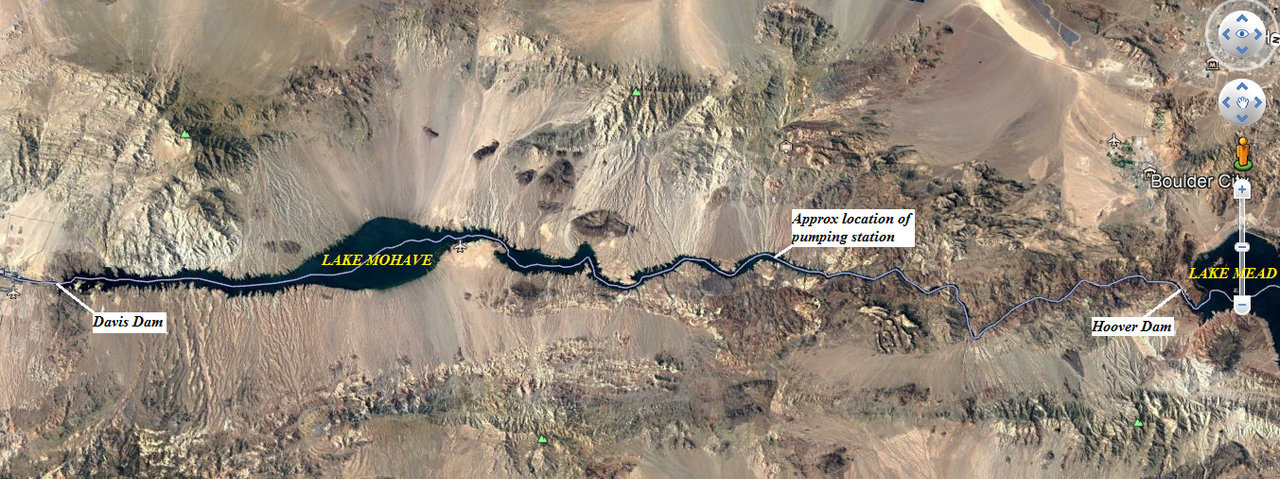
…Exxon’s Guyana oil discovery; oil majors shifting into natural gas; the EU to import more US LNG; coal in Spain, India and Australia; South Africa can’t afford Russian nuclear; China, nuclear and the UK; US heatwave causes grid reliability problems; Europe and intermittent renewables; the world’s largest pumped hydro plant at the Boulder dam; the UK ditches FiTs and approves fracking; Ofgem proposes EV reforms; the UK to double offshore wind capacity how global warming causes more suicides.

Blowout 239

Blowout 238

An eclectic mix of energy and climate news studies from around the world compiled by Roger Andrews.

Moving on we have more OPEC; record US oil & gas production; Gazprom’s next giant gas field; coal in Australia, the US, South Africa and India; nuclear in India, China, the US, Ghana, Niger and Bangladesh; falling global investment in renewables: California’s emissions down; looming EU energy efficiency fines; the ongoing UK wind drought; volcanic activity melts the West Antarctic Ice Sheet and Svalbard was 6°C warmer 10,000 years ago.

Blowout 238

Blowout 237

A review of global energy and climate news stories compiled by Roger Andrews:

….the US’s growing coal exports; Snowy hydro reservoirs at low levels; Ontario cans renewables projects, North Carolina rejects wind farms; post-Brexit power cuts in Northern Ireland; ….

Blowout 237

Desperately seeking truth part 1

Much of the energy debate at present is based around the risks associated with energy procurement systems; emissions from burning fossil fuels (FF) and radiation hazards linked to nuclear power. New renewables (wind, solar and wave power) are presented as a risk free alternative to FF and nuclear. However, what is systematically overlooked by renewables advocates are the risks associated for individuals or for society not having access to affordable energy when it is needed.

Energy and Man part 1

Y2Kyoto: Plunder Down Under

Living industry…

Coal is set to regain its spot as the nation’s biggest export earner amid higher prices and surging demand from Asia, sparking fresh calls from the Turnbull government for Labor to end its “war on coal”.
 

The Department of Industry, Innovation and Science figures show total coal exports are forecast to reach $58.1 billion in 2018-19, overtaking iron ore ($57.7bn) for the first time in ­almost a decade.

Dying industry…

What do Australia’s big four banks do — ask Greenpeace for investment advice.

The ThorCon Molten Salt Fission Power Plant

Guest post on Energy Matters by Robert Hargraves, co-founder of ThorCon.

ThorCon is a molten salt fission reactor. Unlike all current operating reactors, the fuel is in liquid form. The molten salt can be circulated with a pump and passively drained in the event of an accident. The ThorCon reactor operates at garden hose pressures using normal pipe thicknesses and easily automated, ship-style steel plate construction methods.

Understanding where the truth lies is no easy matter. The 100+ comments where the management of ThorCon are deeply engaged provide a foundation for readers to reach informed opinions.

Blowout 234

An eclectic mix of energy and climate news stories from around the world compiled by Roger Andrews.

This week we feature OPEC, which has agreed to raise production without specifying by exactly how much. The market, however, appears to regard this outcome as favorable and oil prices are up. We follow with the oil potential of the northern seas; surging US gas production; leaking methane; nuclear in Japan, China and Korea, coal and Trump’s trade war; Germany puts jobs before CO2; renewables in India and California; biomass in Europe; energy storage in New York; EVs in Paris; Norway’s electric plane; pumped hydro for Loch Ness; flow tests at Horse Hill; Antarctic ice; football in Nigeria and how we humans have five years to fix climate change or face extinction.

Blowout 234

From earlier in the week:

The BP 2018 Statistical Review, electricity and CO2 emissions

The Sound Of Settled Science

Climatologist Dr. Judith Curry explains her conversion to skeptic as she is set to debate Michael Mann

The 1992 UN Climate Change treaty was signed by 190 countries before the balance of scientific evidence suggested even a discernible human influence on global climate. The 1997 Kyoto Protocol was implemented before we had any confidence that most of the warming was caused by humans. There was tremendous political pressure on the IPCC scientists to present findings that would support these treaties, which resulted in a manufactured consensus.

Navigation