High wind output in Saskatchewan and Alberta, with zero dollar pricing in Wild Rose Country
3 Replies to “When it blows, it sucks for ever other power generator”
Brian! Nice use of the ‘Timbit’. You made me laugh … which I believe is how we need to argue our points … with good humor rooted in truth.
Wind and solar on the grid are an act of economic suicide. The more the deadlier.
Those strong winds are chinook winds, generated by the so-called “atmospheric river” that came into BC. Physics are important here. As that wet air rises over the rising terrain, especially the Rocky Mountains, the heat that turned Pacific Ocean water into water vapor is released into the air when that vapor condenses and falls as rain or snow on the west side of the Rocks. That heat means that the air doesn’t cool as much as it rises, as it normally would. Then, as it descends on the east side of the Rockies, its pressure rises, meaning that its temperature rises, so that the wind is warm, and the heat also causes expansion that accelerates the wind. Chinook flow that sucks up the snow, evaporating it.
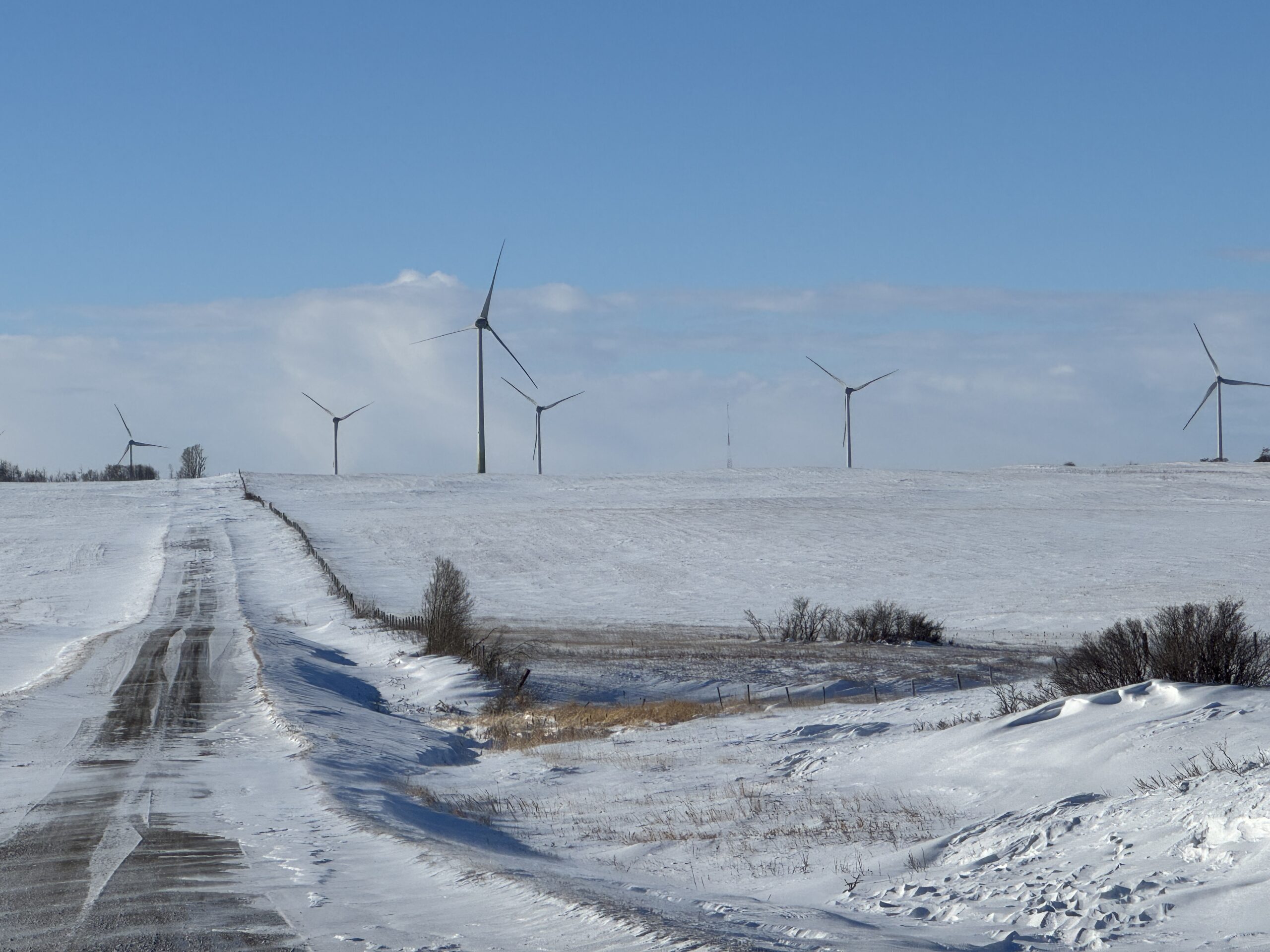
It makes for beautifully warm, windy weather out here in SK. But it’s infrequent and cannot be relied on for wind power. In between windy days or weeks we get high-pressure systems that carry little or no wind, and those wind turbines generate nothing. They might be turning, but that does not mean that they are generating useful levels of power.

Brian! Nice use of the ‘Timbit’. You made me laugh … which I believe is how we need to argue our points … with good humor rooted in truth.
Wind and solar on the grid are an act of economic suicide. The more the deadlier.
Those strong winds are chinook winds, generated by the so-called “atmospheric river” that came into BC. Physics are important here. As that wet air rises over the rising terrain, especially the Rocky Mountains, the heat that turned Pacific Ocean water into water vapor is released into the air when that vapor condenses and falls as rain or snow on the west side of the Rocks. That heat means that the air doesn’t cool as much as it rises, as it normally would. Then, as it descends on the east side of the Rockies, its pressure rises, meaning that its temperature rises, so that the wind is warm, and the heat also causes expansion that accelerates the wind. Chinook flow that sucks up the snow, evaporating it.
It makes for beautifully warm, windy weather out here in SK. But it’s infrequent and cannot be relied on for wind power. In between windy days or weeks we get high-pressure systems that carry little or no wind, and those wind turbines generate nothing. They might be turning, but that does not mean that they are generating useful levels of power.